 خبری دربارهی Astar (ASTR)
Top Polkadot Parachains Driving Web3 Application Development
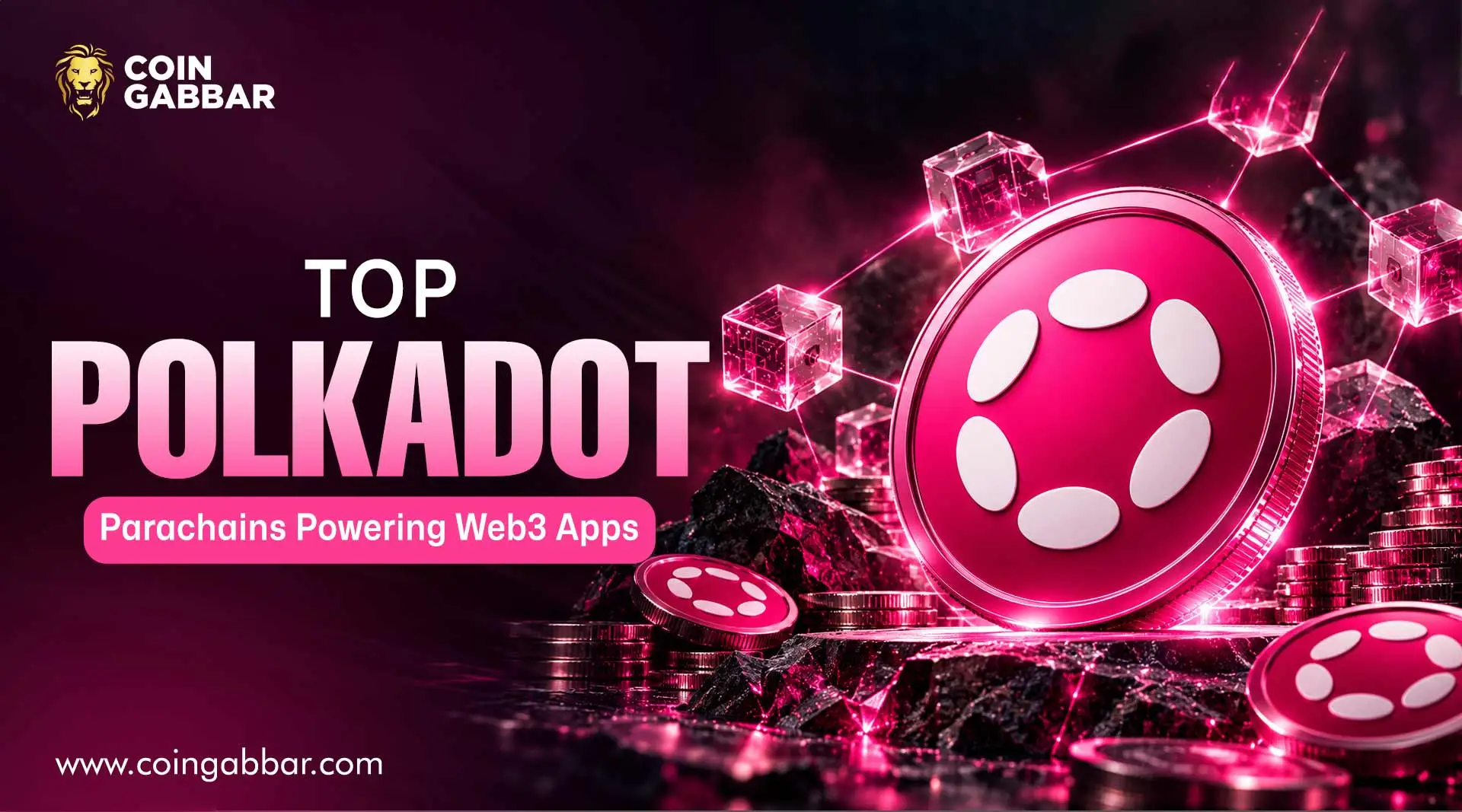
Top Polkadot Parachains Transforming Web3 Application Development Polkadot does not run every app on one crowded chain. It splits the work across separate networks called parachains, and a small group of them now attracts most developer attention. This look at the top-Polkadot-parachains covers Moonbeam, Astar, Hydration, and Bifrost, using official documentation and project updates checked on October 14, 2026. It also explains coretime, the system that replaced parachain auctions, and a well-known project that has already moved off the network. Each entry separates what the documentation confirms from what the project only plans to deliver. What Are Polkadot Parachains, and How Do They Work? A parachain is a blockchain built for one purpose. It runs alongside Polkadot's relay chain, the central chain that secures the whole network. Relay chain validators check every parachain block, so new chains inherit security from day one. The Polkadot parachain overview says collators build those blocks and pass them to validators. Each parachain sets its own fees, token rules, treasury, and governance. Most use the Polkadot Substrate framework and talk through XCM, a cross-chain messaging format. How Does Coretime Replace Parachain Auctions? Slot auctions and crowdloans are deprecated. Parachains now rent relay chain access through Coretime bought with DOT, and existing leases are converted automatically. Bulk coretime renews at a fixed cost, while on-demand coretime is priced per block. The DOT spent on either type is burnt. A lapsed chain falls back to parathread status, keeping its ParaID but losing its core. Every one of the top-Polkadot-parachains must therefore keep paying for access. Which Chains Count Among the Top Polkadot Parachains? The top-Polkadot-parachains below were picked for developer tools, documented use cases, and visible activity, not token price. Each entry sticks to what official pages state. Moonbeam: Ethereum Compatibility With a Gaming Push Moonbeam says developers can deploy Ethereum smart contracts with little to no changes. For teams weighing Polkadot vs Ethereum options, that familiarity lowers the cost of switching. Moonbeam's 2026 roadmap update, published March 31, reports over $350M in cross-chain volume across 365 days. Gaming transactions rose from 613K to 6.1M, about 20% of activity. Elastic scaling, the biggest planned upgrade, targets block times near two seconds. That remains a stated plan, not a shipped feature. Astar: One Chain Supporting Two Contract Types Astar supports both EVM and Wasm smart contracts, so Solidity teams and Rust teams can build on the same network. Theofficial Astar documentation explains dApp Staking, where token holders back specific dApps, and Build2Earn, which pays developers a basic income. Those rewards are project-run, so rules can change. Hydration: Shared Liquidity for DeFi Hydration, formerly HydraDX, is a DeFi-focused entry among the top Polkadot-parachains, built around the Omnipool, a governance-approved shared liquidity pool. Providers earn fees from trades.
عنوان اصلی (انگلیسی): Top Polkadot Parachains Driving Web3 Application Development
مشاهدهی خبر کامل در منبع ↗ بازگشت به Astarاین خلاصه بهصورت خودکار از کوینمارکتکپ ترجمه شده و ممکن است خطای ماشینی داشته باشد؛ صرفاً جهت اطلاعرسانی است و توصیهی معاملاتی نیست.